Connect with a certified Wisconsin chimney sweep and fireplace repair team that adheres to NFPA 211, IRC, and state amendments. We provide HEPA-contained cleaning, Level I/II inspections, draft and CO testing under worst-case depressurization, and photo/citation reports. We perform tuckpointing, crowns, waterproofing, liners, safety caps and arrestors, and factory-built system compliance. We set up EPA-certified wood, pellet, and gas units with correct clearances, venting, and permits. Regular service programs keep systems safe and efficient-and read on to discover our methods.
Main Highlights
- We deliver certified NFPA 211-compliant chimney assessments, HEPA-contained cleaning services, and certified sweep services customized to meet Wisconsin standards and routine maintenance specifications.
- Comprehensive draft and smoke analysis with precise draft measurements, CO safety checks under extreme pressure situations, and ventilation flow optimization for optimal combustion safety.
- Our masonry repair services include, including mortar joint repair, crown rebuilds, proper flashing solutions, and moisture protection solutions, all with thorough evaluations meeting code requirements and historically accurate mortar specifications.
- Professional installation of chimney liners, caps, and spark arrestors in accordance with UL/NFPA standards, featuring premium stainless full-coverage caps and certified factory-built components.
- We offer stove and fireplace setup and modification services, along with required paperwork and comprehensive documentation packages that include visual reports, relevant code citations, and verified pressure and venting test results.
Complete Chimney Safety Inspections and Cleaning Services
Schedule regular complete chimney cleaning and an industry-standard safety assessment to reduce fire risk and guarantee proper draft. You'll receive precise creosote elimination using specialized brushes and rotary rods matched to chimney specifications and liner type. We document soot levels, glazing conditions, and draft levels, then remove any flue obstructions, including animal debris or masonry debris, using controlled HEPA methods to prevent indoor contamination. We inspect cap, crown, and flashing joints without addressing structural rebuilds. Technical carbon monoxide testing confirms appliance venting under worst-case depressurization. We examine connectors, thimble seals, and terminations for clearance-to-combustibles compliance. You'll receive burning technique guidance-fuel moisture targets, load configuration, and air control settings-to reduce creosote buildup. Final documentation include photos, NFPA 211 checklists, and improvement suggestions.
Masonry Repairs, Tuckpointing, and Rebuilds
Repair damaged mortar, deteriorating bricks, and worn crown caps promptly to prevent water penetration and protect structural integrity. You'll prevent weather-related deterioration, stability issues, and safety hazards. We inspect masonry according to NFPA 211 and local Wisconsin codes, documenting displacement, efflorescence, and joint loss.
For mortar restoration work, we carefully match sand specifications including gradation, color, and strength, then create properly-sized joint cuts and apply matching Type N or S mortar, tooling for robust, weather-ready finishes. We replace damaged or unstable brick with like units, ensuring complete, properly bonded joints. If crown deterioration exists, we strip back to solid masonry and install a strengthened, angled crown with proper flue expansion joints.
After heat damage compromises the flue, we arrange flue relining upon completion of masonry stabilization.
Professional Chimney Protection Systems
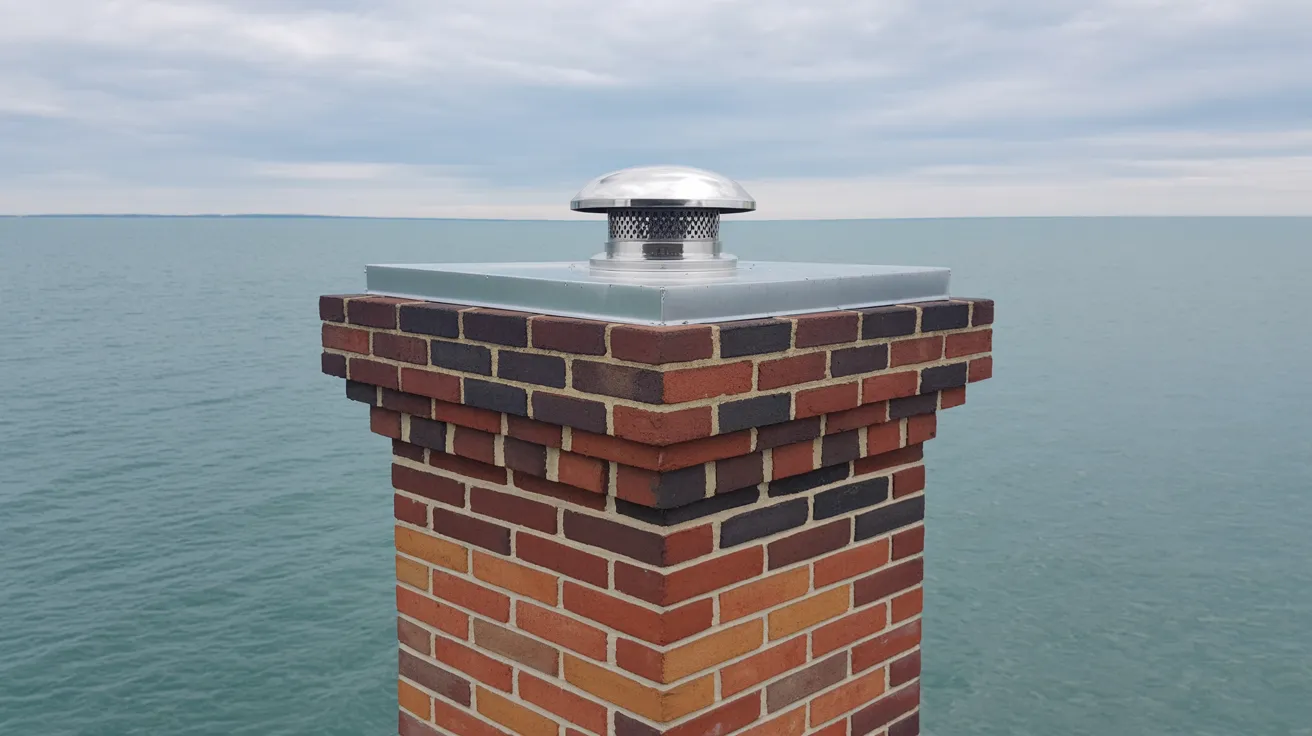
You'll assess chimney liners for appropriate specifications, components, and UL approval to enhance draft, contain heat, and comply with NFPA 211 and manufacturer guidelines. You'll select long-lasting caps-preferably stainless or copper with spark arrestors and bird/ember screens-securely anchored to resist uplift and prevent moisture entry. You'll implement thorough waterproofing by protecting crowns, fixing flashing, and using vapor-permeable masonry coatings to block infiltration without capturing moisture.
Understanding Chimney Liner Benefits
Installing a chimney liner properly delivers remarkable improvements in safety and performance. You effectively protect combustible materials from high flue temperatures, contain harmful byproducts, and ensure code-compliant exhaust venting. Proper liner sizing and insulation improve draft consistency, limit condensation, and decrease creosote accumulation-critical elements for preventing fires and maximizing liner durability. Additionally, you'll achieve better energy efficiency by maintaining optimal flue gas temperatures and promoting more complete combustion.
A liner protects the masonry from acidic condensate and freeze-thaw damage, protecting structural soundness. It's essential when changing fuel appliances, repairing deteriorated flue tiles, or adhering to NFPA 211 and manufacturer listings. Code-compliant stainless steel liners endure heat cycles and fire events superior to unlined systems. With proper installation and yearly maintenance, you'll enhance performance, lower repair probability, and ensure clean indoor air.
Finding Quality-Made Caps
Upon properly fitting and insulating the liner to maintain stable draft and code compliance, protect the crown of the system with a durable, listed chimney cap. Opt for stainless covers to guard against corrosion from Wisconsin freeze-thaw cycles, acidic condensate, and creosote byproducts. Confirm UL listing, spark-arrestor capabilities, and suitability with your fuel type and liner termination. Install a full-coverage cap that diverts precipitation, anchors to the flue or crown securely, and keeps required free area to avoid draft restriction.
Use custom mesh sizing to balance spark control and airflow: 3/4-inch for ember containment following standard requirements, bigger mesh only with manufacturer approval. Incorporate bird and wildlife barriers. Choose removable screens for service access. Use stainless fasteners and sealed seams. Verify bonding/grounding where lightning protection or code compliance is needed.
Professional Waterproofing Solutions
From the crown to the firebox, successful waterproofing depends on a protective system that stops water infiltration and vapor entry while maintaining proper ventilation and building codes. You start by verifying the chimney liner is intact, certified, and correctly dimensioned; reline damaged flues to satisfy NFPA 211 requirements and manufacturer recommendations. Install a comprehensive cap featuring mesh and a water collar to divert water without impeding airflow.
Safeguard the crown with flexible silicone protective coatings that span cracks and handle freeze-thaw cycles. For masonry, install breathable protective layers that resist bulk water yet allow vapor diffusion, avoiding spalling and efflorescence. Counter-flash and seal all flashing at stepped connections. Fix mortar joints with Type S or N, then tool tight. Conduct annual inspections and recoat according to manufacturer specifications.
Expert Installation and Upgrade Solutions for Fireplaces and Stoves
Modernize your fireplace with installations that satisfy current codes, improve efficiency, and focus on safety. You'll get systems properly matched to your room load, with spacing, chimney height, and connector diameters established per NFPA 211 and Wisconsin Uniform Dwelling Code. We verify flammable materials, floor protection, and anchoring requirements, then install listed appliances in accordance with manufacturer specifications.
Opt for EPA-certified wood, pellet, or gas units with sealed combustion. Our team incorporates stainless liners, insulated chimney thimbles, and balanced flue terminations. Ventilation improvements include dedicated outside air, make-up air strategies, and integrated ventilation systems to preserve proper pressure relationships. Utility connections are installed with isolation valves, sediment traps, and GFCI/AFCI compliance. For hearth aesthetics, we recommend safety-rated surrounds, code-rated mantels, and decorative panels that optimize function while preserving safe clearances.
Resolving Smoke, Draft, and Performance Concerns
Following proper sizing and code-compliant installation of your new appliance, performance depends largely on maintaining draft stability, clean burning, and balanced pressure. Our first step is to verify flue sizing, liner integrity, and chimney height relative to the roof. Following that, we assess draft levels, exhaust temperature, and oxygen content for optimal performance. When smoke enters the room, we implement draft improvements: sealing leaks at the thimble and cleanout, adjusting offsets, and enhancing chimney insulation to increase stack temperature.
Inside the home, we carry out airflow balancing procedures. We evaluate building pressure with active exhaust fans, verify proper makeup air, and install a dedicated outside air system when necessary. We fine-tune damper settings, weatherstripping, and door latch tension. Finally, we fine-tune moisture in fuel, ash bed depth, and baffle alignment to maintain stable combustion and decrease creosote accumulation.
Local Codes, Certifications, and Seasonal Maintenance Plans
Be sure to check that your fireplace and ventilation systems adhere to current Wisconsin Fireplace Codes, including requirements for clearances, liner specs, and chimney height specifications. Engage technicians who hold Certified Sweep credentials to guarantee inspections, cleanings, and repairs align with industry standards and proper procedures. We'll establish a seasonal maintenance plan that schedules code-compliant inspections ahead of heating season and subsequent inspections to detect wear, creosote, and safety problems early.
Wisconsin Fireplace Codes
Although the appearance of fireplaces matters, safety and building codes in Wisconsin must be followed first. It's essential to ensure flues are sized according to appliance specifications, maintain required clearances from combustible materials, and put in required noncombustible hearth extensions in compliance with NFPA 211 and Wisconsin Uniform Dwelling Code. Brick chimneys must have properly lined flues, listed chimney caps, and properly sealed endings. Factory-built systems must use listed components and proper manufacturer-approved mounting.
Before starting work, acquire all local permits and consider permit approval periods that vary by jurisdiction. Document thoroughly of regulatory requirements with specification documents, inspection photographs, and verified pressure and venting tests. Gas appliance modifications require correctly installed shutoff valves, venting system validation, and carbon monoxide detectors installed according to SPS 321.42. Wood-burning appliances need spark arrestors and convenient cleanout access. Plan regular preseason inspections, perform cleaning as needed, and maintain detailed records to facilitate easy insurance, resale, and occupancy verifications.
Verified Sweep Solutions
Going beyond aesthetics, a certified sweep program ties your fireplace care to local code requirements, industry qualifications, and a structured maintenance protocol. You receive a certified chimney professional who follows NFPA 211, IRC, and Wisconsin amendments at every visit. Their thorough sweep training includes combustion air, clearances to combustibles, venting geometry, and fuel-specific hazards, preventing missed problems.
We perform regular maintenance inspections comprising: initial Level I system check, mid-season draft and CO testing, and post-season Level II inspection when necessary. You'll receive comprehensive visual documentation, relevant code citations, and a risk-based correction plan. Our certified specialists carefully examine vital chimney elements including caps, liners, dampers, hearth extensions, and smoke chamber conditions; they execute draft analysis and carbon monoxide testing at the installation point. These records enables building permits, insurance requirements, and real estate transactions, ensuring your system stays safe, efficient, and up to standard year-round.
Questions and Answers
What Are Your Emergency Chimney Service Hours?
Indeed, we offer emergency chimney services at night, on weekends, and during holidays. We maintain 24/7 availability with professional experts certified according to NFPA 211 standards. We handle chimney fires, smoke issues, structural problems, and carbon monoxide dangers. Count on quick emergency service, remote diagnosis, and safe temporary stabilization. We maintain detailed records, perform code-compliant repairs or secure the system until complete repairs is possible. You'll get clear safety guidance and future service planning.
Which Wisconsin Areas Do You Service, and What About Travel Costs?
We serve communities across Wisconsin, from Milwaukee to Door County and the Northern lakes to Western regions. Wondering if we'll reach you? We deliver NFPA 211-compliant work statewide with thorough inspections and verified draft measurements. Travel fees apply for areas beyond a 25-mile radius from our hubs; we use simple zone-based pricing, disclosed in advance, waived with repair services. You'll benefit from efficient route planning, complete access evaluations, and permit management for code compliance.
Do You Offer Itemized Estimates and Payment Plans
We'll provide comprehensive estimates specifying every aspect from materials and labor to safety requirements and code compliance. Every line item aligns with local regulations and NFPA 211 requirements for your verification of work scope and code adherence. You can select various payment plans with initial deposits, progress milestones, and final payment retention. We'll itemize separately any changes, permits, and required clearances. Written approval is required for all work details prior to starting for your protection and complete transparency.
Are Your Technicians Background-Checked and Insured for On-Site Work?
Indeed - our technicians are fully vetted and insured. We implement thorough background verification processes prior to employment and conduct regular re-verification. Our team is protected with complete liability coverage and workers' compensation insurance for on-site work. We document credentials, maintain training logs, and follow NFPA and local code requirements. You'll receive service reports, job-site hazard assessments, and proof of insurance on request, guaranteeing safe, responsible, and regulation-compliant service from arrival to cleanup.
Do You Handle Home Insurance When Filing Claims?
Yes. You receive full insurance assistance and claim help from first inspection through final repair. We document damage with code-compliant reports, photographic documentation, and NFPA 211 references, then collaborate with your adjuster to coordinate scope, pricing, and safety requirements. You sign off on all work authorizations. We arrange emergency mitigation, offer permitting support, and maintain chain-of-custody for materials. You obtain transparent progress reports, compliant workmanship, and a final closeout package for your insurance provider's records.
Closing Remarks
You choose properly cleaned flues, not hidden creosote; solid masonry, not failing joints; secure liners and caps, not water intrusion; professional installations, not guesswork; proper drafts, not smoky rooms. You follow NFPA 211, IRC, and local standards. You schedule seasonal inspections, record findings, click here and address defects. You check clearances, evaluate draft, and ensure CO safety. You safeguard your home, maintain efficiency, and satisfy inspection-securely, legally, reliably-today, this season, annually.